
Introduction: Merging World-Class Healthcare with Rich Culinary Heritage
Traveling abroad for elective medical procedures—whether for complex dental restorations, cosmetic plastic surgery, or bariatric transformations—is an empowering decision. In recent years, Egypt has emerged as one of the world’s premier destinations for medical tourism. Patients from the United States, the United Kingdom, and Western Europe travel to Cairo not only for elite medical expertise and internationally accredited facilities at a fraction of Western prices, but also for the opportunity to undergo recovery in a land steeped in millennia of history, culture, and hospitality.
However, a successful medical trip extends far beyond the operating theater or the dental clinic chair. Proper nutrition, dietary safety, and cultural enjoyment play pivotal roles in a patient’s physical and emotional healing process. Exploring a new destination’s culinary landscape while staying mindful of post-procedure restrictions can feel intimidating for international travelers.
Can you safely enjoy local Egyptian food after surgery? What authentic dishes align with soft-food diets required following dental implants or facial plastic surgery? How do high-end dining establishments in Cairo maintain international hygiene standards?
This comprehensive guide serves as your ultimate resource for navigating Egyptian cuisine safely, deliciously, and comfortably during your medical recovery vacation with VitaVoyaj.
The Anatomy of Egyptian Cuisine: Healthy, Fresh, and Flavorful
Unlike many global cuisines that rely heavily on processed sauces, excessive dairy, or extreme chili spices, traditional Egyptian cooking is rooted in wholesome Mediterranean and Middle Eastern principles. It relies primarily on fresh vegetables, legumes, whole grains, lean meats, olive oil, and aromatic herbs.
For international patients, this foundational profile is exceptionally good news. The key ingredients of Egyptian gastronomy offer substantial nutritional benefits that actively support healing, collagen synthesis, and cellular repair:
-
Legumes and Plant Proteins: Fava beans, chickpeas, and lentils form the cornerstone of daily Egyptian meals, delivering high fiber, iron, and essential plant proteins.
-
Fresh Mediterranean Produce: Tomatoes, cucumbers, eggplants, courgettes (zucchini), and leafy greens are harvested locally and prepared daily.
-
Heart-Healthy Fats: Extra virgin olive oil, sesame tahini, and aromatic seeds provide healthy fats necessary for tissue repair and nutrient absorption.
-
Lean Proteins: Slow-roasted chicken, fresh Red Sea and Mediterranean seafood, and seasoned minced meats offer vital amino acids crucial for post-operative wound recovery.
-
Gentle Aromatics: Rather than scorching hot peppers, Egyptian cooks masterfully combine cumin, coriander, garlic, mint, and lemon juice—spices that stimulate digestion and appetite without irritating sensitive stomachs.
Must-Try Iconic Egyptian Dishes for International Travelers
When your medical procedure schedule allows for solid foods and leisure exploration, immersing yourself in local culinary landmarks is an essential part of the Egyptian experience. Here are the defining national dishes every international traveler should know:
| Dish Name | Key Ingredients | Best Recovery Phase |
| Koshary | Rice, Lentils, Pasta, Tomato Sauce | Late recovery / Solid diet |
| Ful Medames | Fava Beans, Olive Oil, Cumin | Mid-to-late recovery (Mashed) |
| Shorbat Adas | Yellow Lentils, Carrots, Garlic | Early post-op / Soft food diet |
| Molokhia | Jute Leaf Soup, Garlic, Coriander | Early post-op / Liquid & soft |
| Shish Taouk & Kofta | Grilled Chicken & Minced Meat | Mid recovery / High protein |
| Roz Bel Laban | Rice, Whole Milk, Mastic, Vanilla | Post-dental soft dessert |
1. Koshary: The Beloved National Comfort Food
Considered Egypt’s national street dish, Koshary is a unique carbohydrate-rich comfort meal. It features a layered bed of rice, brown lentils, macaroni, and chickpeas, topped with a warm, spiced tomato sauce and crispy fried onions. It is entirely vegetarian and provides an incredible energy boost.
-
Traveler Tip: While famous on Cairo streets, medical tourists should enjoy Koshary prepared in clean, high-end restaurants in New Cairo or Zamalek to ensure pristine food hygiene.
2. Ful Medames: The Ancient Mediterranean Breakfast
Ful Medames has sustained Egyptians since the time of the Pharaohs. Slow-cooked fava beans are mashed and seasoned with extra virgin olive oil, freshly squeezed lemon juice, garlic, and sea salt, served alongside warm, fluffy Egyptian flatbread (Aish Baladi). It provides slow-burning complex carbohydrates and plant protein that keep your energy stable throughout your sightseeing days.
3. Molokhia: The Royal Antioxidant Soup
Dating back to ancient Egyptian royalty, Molokhia is a smooth green soup made from finely chopped jute leaves simmered in a rich, flavorful broth infused with sautéed garlic and dry coriander. It has a silky, slightly viscous texture that slides down smoothly, making it exceptionally gentle on the throat and digestive system. Packed with vitamins A, C, E, and iron, Molokhia acts as a natural immunity booster during recovery.
4. Shish Taouk and Egyptian Kofta
For high-protein recovery needs, Egyptian charcoal-grilled meats are unmatched. Shish Taouk consists of tender, lemon-marinated chicken breast skewers, while Kofta features seasoned minced lamb or beef grilled over open coals. Served alongside creamy sesame tahini dip and grilled vegetables, these dishes deliver clean, essential protein without unnecessary heavy breading or trans fats.
Eating Safely After Surgery: Post-Procedure Specific Recommendations
Every medical procedure comes with specific dietary guidelines issued by your surgical team. At VitaVoyaj, we bridge the gap between medical instructions and dining enjoyment, helping you choose local options tailored to your specific recovery stage.
A. Post-Dental Procedures (Implants, Crowns, Hollywood Smile)
Following dental implant surgery or major cosmetic dentistry, your mouth will require zero-chewing or soft-food diets for several days to avoid disturbing healing gums or provisional restorations.
-
Recommended Egyptian Dishes:
-
Shorbat Adas (Yellow Lentil Soup): Smoothly blended, rich in iron, warm (never piping hot), and completely liquid.
-
Mashed Ful Medames (Skinless): Pureed fava beans with olive oil provide high satiety without requiring chewing.
-
Roz Bel Laban (Egyptian Rice Pudding): A soothing, cool, milky dessert that calms sensitive oral tissues.
-
Baba Ghanoush: Creamy roasted eggplant dip blended with tahini and lemon juice (eaten with a spoon, avoiding crusty bread).
-
-
Foods to Avoid: Crusty bread (Aish Baladi), nuts, raw crunchy vegetables, chewy grilled meats, and extremely hot spicy condiments.
B. Post-Cosmetic & Plastic Surgery (Rhinoplasty, Facelift, Body Contouring)
Facial procedures require minimal jaw movement, while body contouring procedures mandate low-sodium, protein-rich diets to accelerate tissue repair and minimize post-operative swelling (edema).
-
Recommended Egyptian Dishes:
-
Clear Chicken Orzo Soup (Shorbat Lesan Asfour): Light, hydrating, low-sodium broth rich in natural collagen.
-
Steamed Red Sea Fish Filet: Soft, tender white fish rich in Omega-3 fatty acids that combat systemic inflammation.
-
Molokhia over Soft White Rice: Easy to swallow without aggressive chewing, highly nutritious, and non-irritating.
-
-
Foods to Avoid: High-sodium processed snacks, excessively salty pickles (Torshi), and alcohol, which increases fluid retention and bleeding risk.
C. Post-Bariatric Procedures (Sleeve Gastrectomy, Gastric Bypass)
Bariatric surgery patients follow strict multi-phase dietary progressions (clear liquids -> full liquids -> purees -> soft solids).
-
Recommended Egyptian Dishes:
-
Phase 1 & 2 (Liquids): Strained bone broths, clear vegetable soups, and diluted un-sweetened hibiscus tea (Karkadeh).
-
Phase 3 (Purees): Smooth blended lentil soup, soft pureed cottage cheese (Gibna Arish), and smooth whipped egg white dishes.
-
-
Foods to Avoid: High-sugar desserts, carbonated beverages, carbonated mineral water, and dense, un-chewed meats.
Food Safety, Hygiene, and Water Guidelines for Western Travelers
One of the primary concerns for international medical travelers visiting North Africa or the Middle East is foodborne illness (often referred to as “traveler’s tummy”). Contracting a gastrointestinal bug while recovering from surgery is not only uncomfortable—it can compromise your recovery.
At VitaVoyaj, we adhere to uncompromising safety standards to protect our guests. Here are our strict safety rules for dining in Egypt:
1. Water Protocol: Bottled and Filtered Only
-
Never drink tap water: Tap water in Cairo is treated, but its mineral composition differs from Western municipal supplies, which can cause digestive upset.
-
Use bottled water for everything: Always drink sealed bottled water from reputable global or top domestic brands (such as Nestlé Pure Life, Dasani, or Safi).
-
Oral Hygiene Note: Use bottled water when brushing your teeth, especially after dental procedures.
-
Ice Cubes: In high-end hotels, luxury serviced apartments, and reputable restaurants in New Cairo or Zamalek, ice is made from filtered purified water. However, when in doubt, request drinks without ice (“Bila Thalg”).
2. Restaurant Selection: Where to Dine Safely
Avoid un-vetted street food stalls immediately following surgery. While Cairo’s street food culture is vibrant, medical recovery requires controlled environments.
-
Fine Dining Districts: We guide our guests to premier dining hubs located in New Cairo (5th Settlement), Sheikh Zayed, Zamalek, and Maadi. These areas house international luxury restaurants, upscale Egyptian dining concepts, and top European establishments operating under European hygiene standards.
-
Hotel and Serviced Apartment Dining: Dining within accredited international hotel chains or utilizing pre-screened private chefs inside VitaVoyaj’s premium serviced apartments ensures 100% control over ingredient sourcing and preparation hygiene.
Combining Culinary Delights with Your Recovery Itinerary
Part of the magic of medical tourism in Egypt is the opportunity to heal in an inspiring, stress-free environment. Once your surgeon clears you for light activities, combining light meals with curated, low-exertion sightseeing creates unforgettable memories.
Planning your medical travel schedule? Learn how we seamlessly integrate private transportation, luxury stays, and clinical appointments by reading about our All-in-one Medical Packages and explore our guide on Combining Vacation and Dentistry in Egypt.
Suggested Low-Stress Dining Experiences:
-
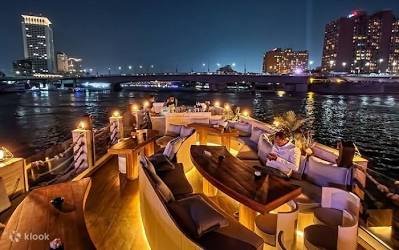
Sunset Nile Dinner Cruises: Enjoy tender grilled fish and traditional Egyptian live music aboard a luxury private boat cruising softly along the Nile River in Zamalek.
-
Al-Azhar Park Outdoor Dining: Dine at lakeside rooftop restaurants offering panoramic views of historical Cairo’s citadel while enjoying light Mediterranean salads, fresh juices, and warm soups in a serene green landscape.
-
New Cairo Open-Air Malls: Stroll through quiet, high-end outdoor shopping avenues featuring world-class cafes, organic smoothie bars, and authentic culinary dining options minutes away from top clinics.
Executive Summary: Why Choose VitaVoyaj for Your Medical Journey?
Navigating medical care in a foreign country requires trust, precision, and flawless organization. At VitaVoyaj, we do not merely book your doctor’s appointment; we engineer an elite, end-to-end medical tourism experience tailored specifically for Western clientele.
-
Top-Tier Medical Expertise: Our network consists exclusively of PhD-level surgeons and specialists, over 80% of whom hold degrees or advanced fellowships from top European and American institutions.
-
Internationally Accredited Facilities: Partner clinics carry prestigious global certifications (JCI, ISO 9001, GAHAR), utilizing top-of-the-line brands like Straumann, Sirona, Galderma, and Restylane.
-
Complete Concierge Logistics: From VIP airport transfers and multi-lingual medical chaperones to luxury private accommodation in New Cairo and tailored dietary support, every detail of your journey is handled with white-glove precision.
Discover why thousands of international patients choose Cairo over European clinics by browsing our comprehensive guide on Top Reasons to Choose Egypt Medical Tourism or explore our full range of Cosmetic and Dental Packages.
Frequently Asked Questions (People Also Ask – PAA)
Q1: Is Egyptian food safe to eat during a post-surgery recovery trip?
Answer: Yes, Egyptian food is exceptionally safe and highly nutritious when consumed at clean, high-end restaurants, accredited hotels, or prepared in premium serviced apartments. Traditional dishes rely heavily on fresh vegetables, lean grilled meats, and heart-healthy olive oil, which actively support physical healing and immunity.
Q2: What are the best soft Egyptian foods for patients recovering from dental surgery or facial procedures?
Answer: Excellent Egyptian soft-food options include Shorbat Adas (creamy yellow lentil soup), skinless mashed Ful Medames (fava beans with olive oil), Molokhia (jute leaf soup), smooth Baba Ghanoush (roasted eggplant dip), and Roz Bel Laban (soothing rice pudding). These dishes provide rich nourishment without requiring aggressive chewing.
Q3: Can I drink tap water or beverages with ice in Cairo?
Answer: International visitors are strictly advised to drink sealed bottled water for drinking and tooth brushing throughout their trip. In high-end restaurants, luxury hotels, and VitaVoyaj partner residences, ice is produced using purified, filtered water and is safe; however, asking for drinks without ice remains a popular extra precaution for sensitive stomachs.
Q4: Are Egyptian dishes spicy like Indian or Mexican food?
Answer: No. Egyptian cuisine is aromatic and flavorful rather than fiery spicy. Chefs use herbs like cumin, coriander, parsley, garlic, mint, and fresh lemon juice to create deep flavors. Spicy chili peppers are typically served on the side as optional garnishes, making local food very gentle for post-op digestive systems.
Q5: How does VitaVoyaj support international patients with post-operative dietary restrictions?
Answer: VitaVoyaj provides dedicated personal concierge coordination for all international guests. Our team assists in selecting medical-approved dining spots near your clinic, arranging private room service, ordering tailored soft-food delivery, and coordinating custom nutrition plans aligned with your surgeon’s exact post-op guidelines.